Blog
.png)
Nick Bonitatibus
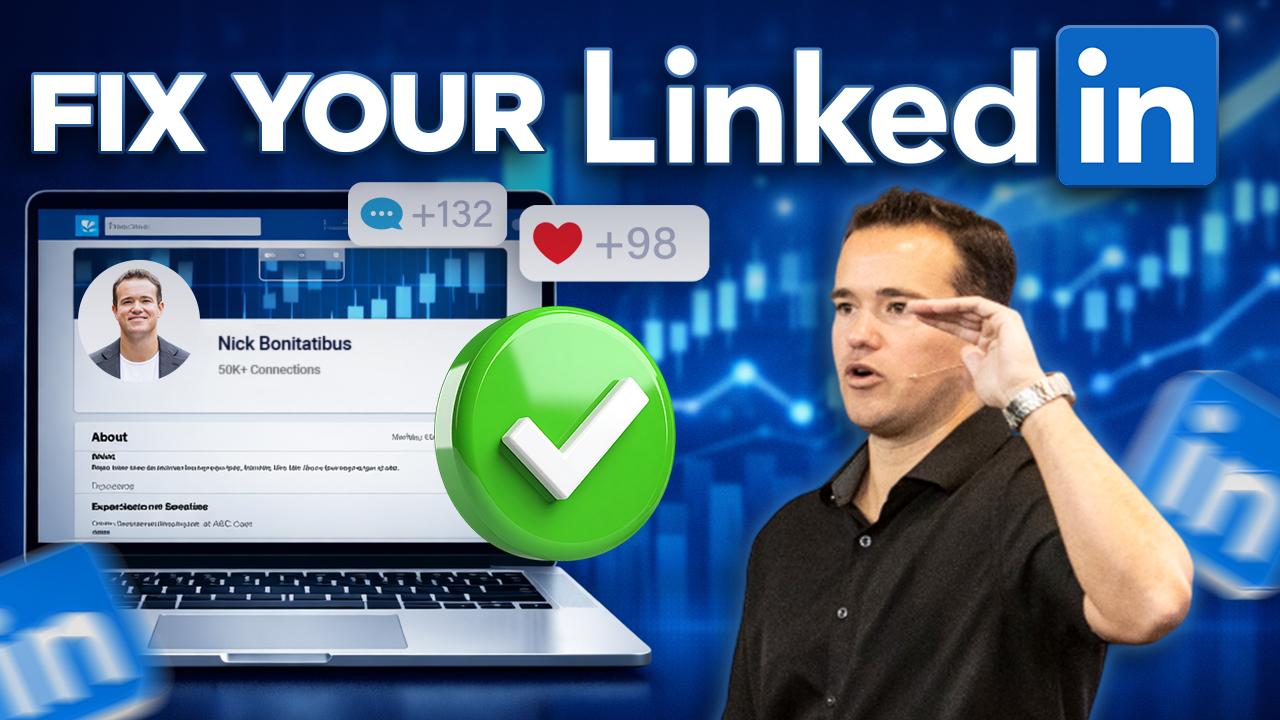
Struggling to see results on LinkedIn? It’s not about posting more—it’s about posting with intention.
Many professionals know they should be active on LinkedIn but aren’t sure what to share or how it turns into real opportunities.
In this article, we walk through how to consistently show up on LinkedIn in a way that builds trust, expands your network, and leads to real referral opportunities. You’ll learn what to post, how often to post, and how to turn everyday interactions into content that supports relationship growth.
Watch or read to learn a simple, confident way to use LinkedIn that actually supports your business goals.
LinkedIn is often described as a powerful platform for professionals, yet many people struggle to see meaningful results from it. They create a profile, connect sporadically, post once or twice, and then stop when nothing seems to happen. Over time, LinkedIn becomes something they “know they should be using” rather than a tool that actively supports their business or career.
The reality is that building a LinkedIn presence—and turning that presence into referrals—doesn’t require constant posting, polished branding, or aggressive selling. What it does require is consistency, intention, and a clear understanding of how people actually engage on the platform.
This article outlines a practical, realistic approach to building a LinkedIn presence from the ground up and using it to generate referrals over time.
One of the most overlooked aspects of LinkedIn growth is the connection base itself. Many people assume they need to create content first, but visibility only matters if the right people are there to see it.
The simplest place to start is with people you already know:
Every in-person interaction is an opportunity to strengthen an online connection. After a networking event, for example, sending a brief LinkedIn connection request reinforces the relationship while it’s still fresh. Over time, this habit builds a network that is relevant and engaged, rather than large but disconnected.
This approach also removes pressure. You’re not “networking with strangers online”—you’re extending existing relationships into a digital space where they can stay active.
A common misconception is that success on LinkedIn requires posting every day. For most professionals, that expectation isn’t realistic and often leads to burnout or avoidance.
A more sustainable goal is posting once per week.
Weekly posting is frequent enough to build visibility and engagement, but manageable enough to maintain long-term. It also allows time to be intentional about what you share rather than rushing to fill space.
Consistency matters more than volume. Showing up regularly—at a pace you can maintain—signals reliability and builds familiarity over time. That familiarity is what eventually leads people to think of you when opportunities or referrals arise.
Many LinkedIn feeds are filled with posts that only appear when someone has an announcement, a job change, or something to sell. While those updates have their place, they rarely build lasting engagement on their own.
Effective LinkedIn content tends to focus on:
Rather than asking, “What should I promote?” it’s often more useful to ask, “What happened recently that others could learn from?”
This shift changes content from promotional to relational. It invites conversation instead of pushing an agenda.
Storytelling is one of the most effective ways to engage on LinkedIn because it can’t be easily replicated. No one else has your exact experiences, interactions, or perspective.
Stories don’t need to be dramatic or highly personal. They can come from everyday moments:
The key is reflection. Sharing what happened matters less than sharing what you took away from it and why it might be useful to others.
When content is rooted in real experiences, it feels authentic—and authenticity is what encourages people to engage, comment, and remember you.
Networking events already require time and effort, which makes them an ideal source of LinkedIn content.
A simple photo with other attendees—especially selfies or small group shots—often performs better than staged or overly polished images. Real photos of real people naturally catch attention and encourage viewers to pause and look more closely.
Tagging people in these posts extends reach and creates shared visibility. It also positions you as someone who is active, involved, and connected within your community.
Importantly, this isn’t about turning every event into a marketing opportunity. It’s about documenting participation and acknowledging others in a way that feels natural and professional.
Another low-effort, high-impact content approach is spotlighting people you respect or work with.
This can include:
A brief post explaining why someone is worth knowing adds value to your audience while strengthening your relationship with the person you highlight. It also subtly associates your name with others who are trusted and respected.
Over time, these posts contribute to a reputation built on connection rather than self-promotion.
Referrals often stem from credibility, and credibility is built through demonstrated results. However, many professionals fail to capture these moments when they occur.
Instead of waiting for formal testimonials, success stories can be documented informally:
Keeping a simple record of these moments—whether in notes, documents, or a dedicated system—creates a content library that can be used later. This eliminates the pressure of coming up with ideas on the spot and ensures meaningful stories aren’t forgotten.
Importantly, sharing success stories doesn’t mean exaggerating results. It means clearly communicating real outcomes in a way that others can understand and learn from.
LinkedIn’s algorithm rewards attention, not just likes or comments. When people stop scrolling to look at a post—especially one with faces or a compelling story—it signals relevance.
This is why group photos, personal stories, and relatable moments tend to perform well. They prompt recognition and curiosity, even if the viewer doesn’t actively engage.
The takeaway is simple: content that feels human encourages attention, and attention leads to visibility.
Referrals rarely come from a single post. They are the result of repeated exposure, trust, and familiarity.
When people consistently see thoughtful content, real experiences, and genuine interactions, they begin to understand who you are and how you work. Over time, that understanding turns into confidence—and confidence is what drives referrals.
LinkedIn works best when it’s treated as a relationship-building platform rather than a broadcasting tool.
Building a LinkedIn presence doesn’t require reinventing yourself or adding unnecessary complexity to your schedule. It’s about:
When approached this way, LinkedIn becomes less overwhelming and more effective. Over time, it can support not just visibility, but meaningful relationships and referral opportunities that develop naturally.
The goal isn’t to post more. It’s to show up better—and to do it in a way that aligns with how professionals actually build trust.
Get the latest insights and blog posts delivered straight to your inbox weekly.
Unlock your potential and start generating leads effortlessly with our proven program.
Schedule A Call